
Tips for Creating a Relaxing Home Office Environment
Creating a relaxing home office environment is essential for anyone working remotely or spending significant time at home completing tasks. A well-designed workspace can improve focus, reduce stress, and enhance overall productivity. Whether you have a dedicated room or just a small corner, making your home office a calming place is possible with some thoughtful adjustments. In this post, we’ll share practical tips to help you create a workspace where you can work efficiently and enjoy the process.
Why a Relaxing Home Office Matters
When your workspace feels cluttered or chaotic, it can be difficult to concentrate. Stress and distractions tend to build up, which lowers your efficiency and may even affect your mood. By creating a soothing environment, you set yourself up for clearer thinking, better creative flow, and more pleasant workdays.
Steps to Create a Relaxing Home Office Space
1. Choose the Right Location
Picking the right spot in your home is the first step. Look for a space that gets plenty of natural light. Natural light helps regulate your body’s internal clock and can boost your energy levels throughout the day.
If possible, choose an area away from the household noise and distractions. A quiet corner or a separate room works best but if space is limited, consider using room dividers or noise-canceling headphones.
2. Declutter and Organize
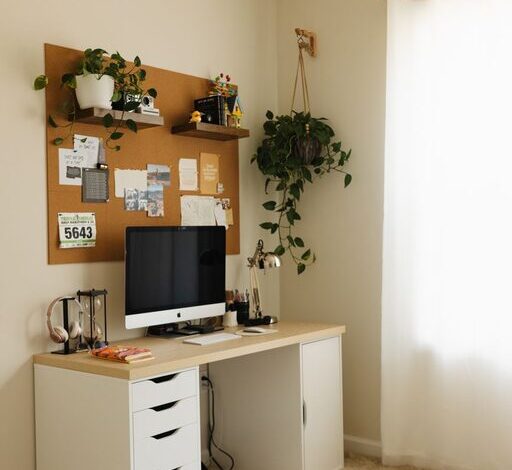
A cluttered desk can create mental clutter as well. Keep your workspace tidy by organizing documents, supplies, and electronics. Use storage solutions like shelves, drawers, or desk organizers to minimize mess.
Try the following organizing tips:
– Only keep daily essentials on your desk.
– Store cables and chargers out of sight with cable organizers.
– Create a filing system for papers.
– Regularly clear out items you no longer need.
3. Invest in Comfortable Furniture
Comfort plays a big role in maintaining focus. Invest in an ergonomic chair that supports your posture and a desk that suits your height. Standing desks or adjustable desks are options to consider if you want to alternate between sitting and standing.
Don’t forget good lighting; a desk lamp with adjustable brightness can prevent eye strain during late work sessions.
4. Add Soothing Colors and Decor
Color influences your mood and productivity. Soft, neutral tones like light blues, greens, or warm grays tend to create a calming atmosphere. You can add these colors through wall paint, artwork, cushions, or desk accessories.
Incorporate personal touches such as plants, inspirational quotes, or photos to make the space feel welcoming without overwhelming it.
5. Incorporate Natural Elements
Bringing nature inside can reduce stress and improve concentration. Consider adding indoor plants like succulents, spider plants, or peace lilies that require minimal care.
If plants aren’t an option, natural textures such as wooden desk accessories, woven baskets, or a simple stone paperweight can provide a calming effect.
6. Use Gentle Lighting
Avoid harsh fluorescent lighting which can cause discomfort and headaches. Instead, use natural light as much as possible and complement it with soft, warm light sources.
A combination of ambient lighting and task lighting tailored to your work type is ideal. You might also try fairy lights or a Himalayan salt lamp to enhance the calming vibe.
7. Minimize Digital Distractions
Turn off unnecessary notifications and consider using productivity tools to avoid constantly checking emails or messages. Apps that block distracting websites during work hours can also help.
Create specific times to check your phone or social media, and keep devices out of sight when not needed.
8. Establish a Routine
A relaxing environment is supported by a steady work routine. Try to start and finish work at consistent times to maintain balance. Including short breaks during your workday helps refresh your mind and prevents fatigue.
Use break time to stretch, meditate, or simply enjoy a moment away from screens.
9. Control Your Environment’s Scent and Sound
Pleasing scents like lavender, eucalyptus, or citrus can promote relaxation and focus. Use essential oil diffusers or scented candles in your workspace, but be mindful of those with scent sensitivities.
Sound also affects concentration. Soft background music, nature sounds, or white noise machines can mask distracting noises and create a peaceful atmosphere.
10. Personalize Without Overcrowding
Add elements that inspire you personally but keep the overall look clean and simple. A few motivational quotes, a favorite mug, or a cozy blanket can make a difference.
Too many decorations or clutter can distract rather than relax you, so aim for balance.
—
Final Thoughts
Creating a relaxing home office environment doesn’t have to be complicated or expensive. Small changes in your space, furniture, lighting, and organization can add up to a big improvement in how you feel during your workday. Focus on comfort, simplicity, and personalization to build a workspace where you enjoy spending time and can perform your best.
Try implementing one or two tips at a time and adjust based on what works best for you. Your ideal relaxing office space is within reach!